
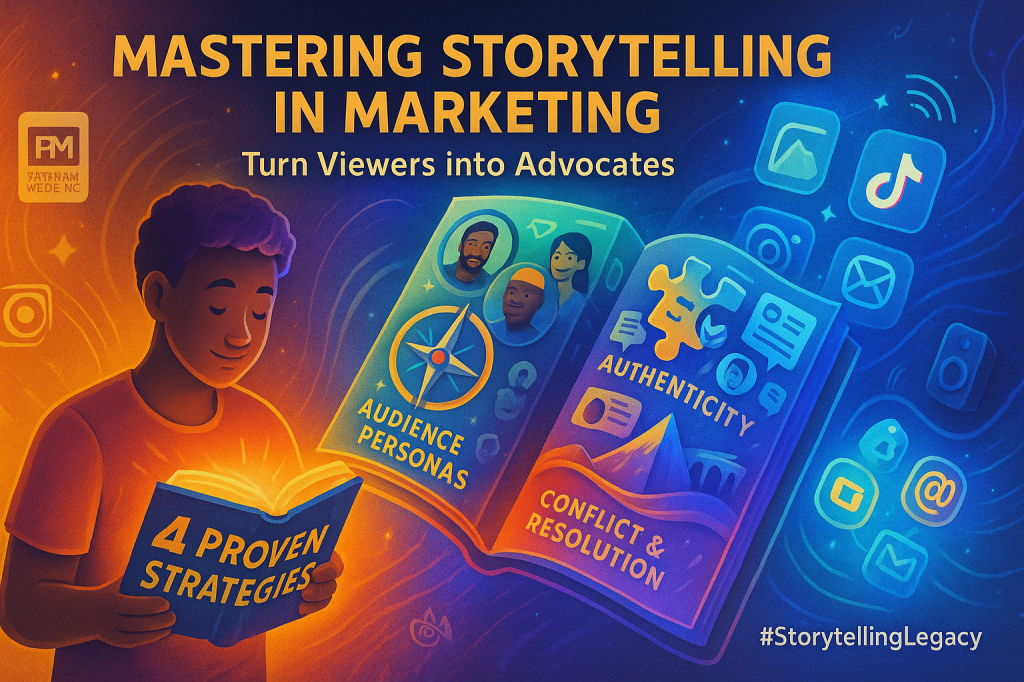
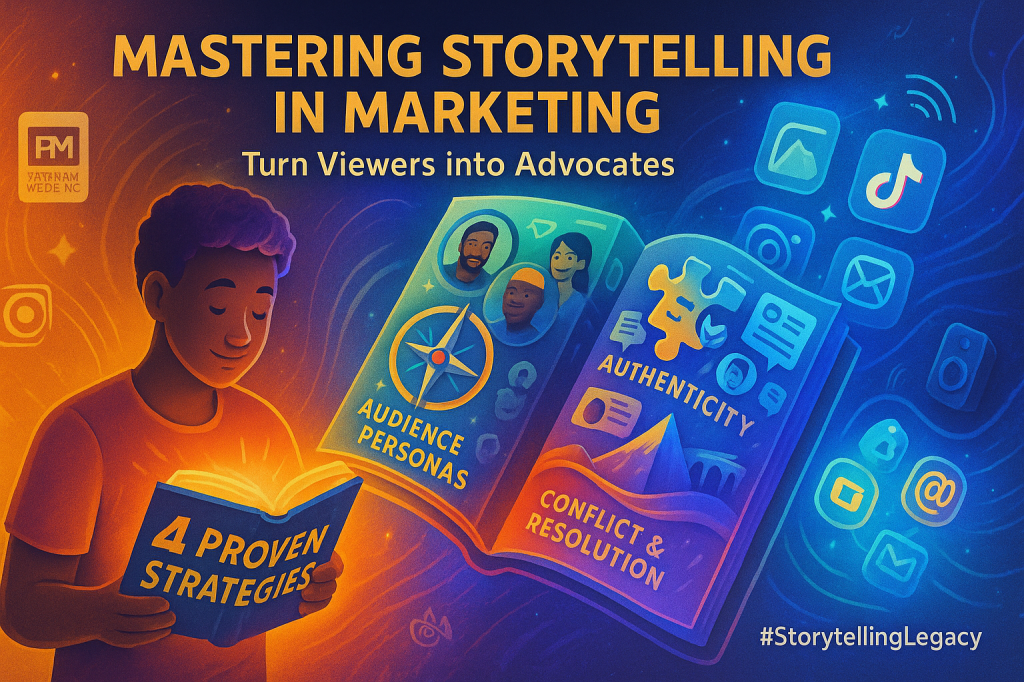
Mastering Storytelling in Marketing: 4 Proven Strategies to Captivate Audiences
By Olusegun Awolola, Senior Web Content Manager, Premium Media NG
Storytelling isn’t just about spinning tales—it’s about forging emotional connections that drive action. From Nike’s inspirational campaigns to Dove’s raw authenticity, brands that master storytelling dominate markets and minds. Here are four strategies to elevate your narrative game, backed by real-world examples:
1. Audience-Centric Narratives: Speak Their Language
The Strategy:
Tailor your story to align with your audience’s values, aspirations, and pain points. Use data-driven insights to craft personas and map their emotional triggers.
Example:
- Nike’s “Dream Crazier” campaign targeted athletes and women by showcasing stories of female perseverance, directly addressing societal biases and empowering their core demographic.
Action Steps:
- Conduct surveys or social listening to identify audience pain points.
- Use tools like Google Analytics or HubSpot to segment audiences.
2. Authenticity & Relatability: Real Stories, Real Impact
The Strategy:
Leverage genuine human experiences to build trust. User-generated content (UGC), employee stories, or customer testimonials add credibility.
Example:
- Dove’s “Real Beauty Sketches used real women’s self-descriptions vs. strangers’ perceptions, highlighting societal beauty standards. The raw honesty drove 114M+ views and global conversations.
Action Steps:
- Feature customer success stories or behind-the-scenes employee journeys.
- Avoid overly polished narratives—imperfections resonate.
3. Compelling Story Structure: Conflict, Climax, Resolution
The Strategy:
Adopt classic storytelling arcs to keep audiences hooked. Introduce a problem, build tension, and position your brand as the hero.
Example:
- Apple’s “1984” commercial framed IBM as a dystopian “Big Brother,” positioning the Macintosh as the liberating solution. The dramatic conflict made it iconic.
Action Steps:
- Use the “Before-After-Bridge” framework: “You’re struggling with X (Before). Imagine achieving Y (After). Here’s how we help (Bridge).”
4. Omnichannel Storytelling: Consistency Meets Adaptability
The Strategy:
Distribute your narrative across platforms (social, email, video, blogs) while tailoring the format—not the core message—to each channel.
Example:
- Coca-Cola’s “Share a Coke” campaign spanned personalized bottles, TikTok challenges, and Instagram stories, maintaining a unified theme of connection while adapting to platform trends.
Action Steps:
- Repurpose long-form blog content into Instagram carousels, YouTube shorts, or LinkedIn articles.
- Use tools like Canva or Adobe Express to maintain visual consistency.
The Takeaway
Great storytelling isn’t accidental—it’s strategic. By knowing your audience, embracing authenticity, structuring narratives purposefully, and dominating omnichannel spaces, your brand can turn passive viewers into loyal advocates.
At Premium Media NG, we blend data and creativity to craft stories that stick. Book a Free Storytelling Audit and transform your content into a conversion powerhouse.
Hashtags: #StorytellingMarketing #BrandStrategy #ContentMastery #AudienceEngagement
Data sources: AdWeek, Marketing Dive, HubSpot, Nielsen.
By weaving these strategies into your marketing DNA, you’ll not only tell stories—you’ll create legacies. 📖✨
 Building Digital Excellence
Leave a comment